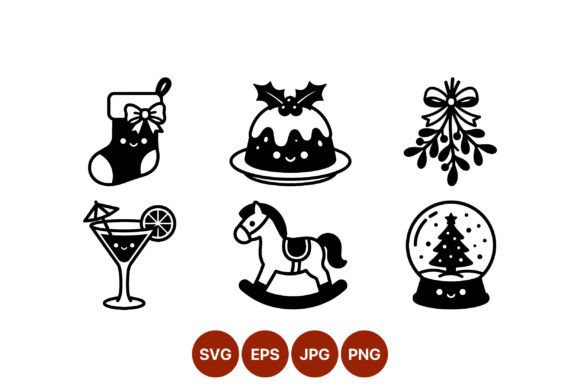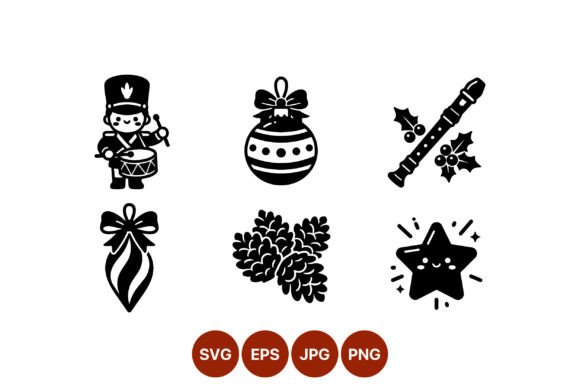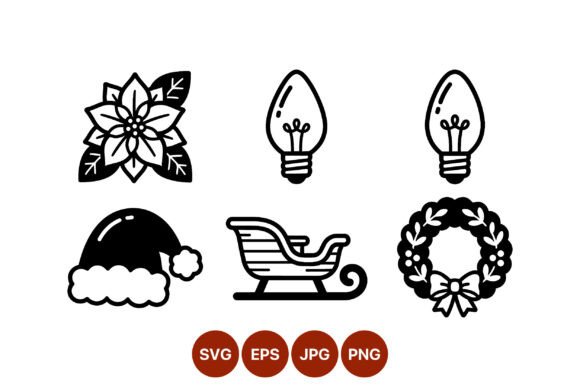
Set of Christmas Doodle Elements Review
As a designer who has spent years translating digital files into tangible thread on fabric, I approach every new machine embroidery design with a mix of excitement and skepticism. The market is flooded with generic patterns that look great on a screen but fall apart under the needle. When I first opened the Set of Christmas Doodle Elements, my immediate goal was to determine if these illustrations could survive the transition from pixel to stitch without losing their charm. This collection falls squarely into the Illustrations category, promising a whimsical, hand-drawn aesthetic that feels distinct from the rigid, vector-heavy designs often seen in holiday collections.
The First Impression: Mood and Visual Personality
Before even loading the file into my machine, I analyzed the visual weight and line quality of the Set of Christmas Doodle Elements. The mood here is undeniably playful and nostalgic. Unlike traditional holiday designs that rely on heavy gradients or complex shading, these doodles utilize clean lines and simple shapes. This simplicity is actually a strength for embroidery. In the world of digital embroidery file conversion, less detail often means better stitch definition. The layout suggests a scattered, organic feel, perfect for creating a "sprig" effect across a garment or as a central motif on a smaller item.
The visual personality screams "handmade." It lacks the corporate polish of mass-market branding, which is exactly what makes it valuable for Etsy sellers and boutique owners looking to stand out. If you are building a brand around warmth, authenticity, and personal touch, this set aligns perfectly. However, the loose nature of the doodles requires careful placement. They are not designed to be rigid logos; they are decorative accents meant to breathe.
A Real-World Test: The Holiday Tote Bag Project
To truly evaluate the utility of the Set of Christmas Doodle Elements, I envisioned a specific project: a custom embroidered canvas tote bag for a local craft fair. This is a staple product for many small shop products and seasonal gift shops. Imagine a natural, unbleached cotton tote. The texture of the canvas can sometimes swallow fine details, making the choice of design critical.
In this scenario, I would select three elements from the set—a stylized holly berry cluster, a wavy candy cane, and a simple snowflake—and arrange them in a diagonal cascade down the side of the bag. Because the lines in the doodles are relatively thick and confident, they would likely translate well into a combination of running stitch for outlines and light fill stitch for the solid areas. The result would be a tote bag design that feels curated rather than stamped on. Customers browsing at a craft fair often gravitate toward items that look unique; this design offers that "artist-made" vibe without requiring hours of free-motion embroidery time.
However, the success of this project hinges on the stitch density. If the software default settings are too dense, the canvas might pucker, ruining the soft drape of the bag. As an experienced maker, I know that test the design on scrap fabric first is non-negotiable. For a project like this, I would run a test on a piece of similar-weight cotton to ensure the stabilizer holds up and the threads don't sink into the weave.
Navigating Fabric Challenges and Placement
While the Set of Christmas Doodle Elements is versatile, it is not a one-size-fits-all solution. There are specific situations where these designs require extra caution. For instance, using these doodles on stretchy fabric like jersey knit for a sweatshirt demands attention. The irregular shapes of the doodles can distort if the fabric isn't properly stabilized. A cutaway stabilizer is essential here to prevent the stitches from pulling the fabric out of shape during wear and washing.
Another area of concern is dark fabric. Since many doodle elements rely on white or light-colored outlines to define their shape against a background, stitching them directly onto black or navy material without a backing layer of tonal fill can lead to poor visibility. You might need to add a base layer of satin stitch or adjust your thread colors significantly to maintain contrast. Similarly, on textured fabrics like fleece or wool blends, the fine details of a small doodle might get lost in the nap of the material. In those cases, selecting the largest elements from the set and simplifying the stitch path is the best approach.
Curved surfaces, such as the brim of a cap, also present a challenge. The linear nature of some doodle elements might not follow the curve gracefully, leading to puckering or uneven tension. If you plan to use these for caps or hats, focus on the more circular or compact elements within the set and avoid long, sweeping lines that span the curve.
Commercial Viability and Brand Consistency
For the creative entrepreneurs and apparel decorators reading this, the commercial potential of the Set of Christmas Doodle Elements lies in its versatility for personalized gifts and limited-run merchandise. These designs are excellent for adding a festive touch to baby clothes, aprons, pillow covers, and tea towels. The whimsical style appeals strongly to parents looking for baby embroidery that feels softer and more modern than traditional red-and-green motifs.
When creating printable mockups for your online store, these elements shine. They allow you to create cohesive collections where different products share the same visual language. Whether it's a sweatshirt embroidery listing or a set of holiday ornaments, consistency builds customer trust and brand recognition. However, remember that the finished product must match the promise of the image. Always compare light and dark fabric backgrounds in your marketing materials so buyers know exactly what to expect regarding color and scale.
Practical Designer Notes for Success
To get the most out of this embroidery project, keep these practical tips in mind:
- Check Licensing: Before selling any finished product featuring these designs, confirm the licensing terms. Ensure you have the right to sell physical goods made with the commercial embroidery files.
- Hoop Size Matters: While the individual elements are small, consider how they fit together. If you are combining multiple doodles, verify that the total area fits within your standard hoop size.
- Color Contrast: Don't just stick to red and green. Experiment with pastels or metallics to see how the doodle elements change the mood of the holiday embroidery.
- Density Check: If you notice the design looks too heavy on the screen, reduce the density in your digitizing software to prevent puckering on delicate fabrics.
- Wash Testing: For products like kitchen towels or aprons that will face frequent washing, ensure the stitch density is high enough to hold up but low enough to remain flexible.
The Set of Christmas Doodle Elements is a strong asset for designers who value character over complexity. It invites creativity and allows for unique arrangements that feel personal. By understanding its strengths and limitations, you can turn these simple illustrations into high-value, professional-looking handmade products that customers will love to display and use.